Comfort and Style on a Budget: How to Find the Right Balance in Your Home Finances


Comfort and Style on a Budget: How to Find the Right Balance in Your Home Finances
A beautiful and comfortable home doesn’t have to come with a hefty price tag. Many Americans dream of creating spaces that feel inviting and reflect their personal style—without overspending. The key lies in finding the right balance between comfort, aesthetics, and financial responsibility. Here’s how you can design a home that feels good to live in while keeping your budget in check.
Know Your Budget—and Your Priorities
Before you start redecorating or renovating, take a close look at your finances. Set a realistic budget that includes a specific amount for home improvements, furniture, and maintenance. Having clear financial boundaries helps you make thoughtful decisions instead of impulsive ones.
Ask yourself what matters most: Is it everyday comfort, visual appeal, or functionality? Once you know your priorities, it becomes easier to decide where to invest and where to save.
A good strategy is to plan your home as a whole rather than making random purchases. A cohesive vision for how each room should look and function helps you avoid costly mistakes and ensures your home feels harmonious.
Invest Where It Counts
Not everything in your home needs to be top-of-the-line, but some items are worth spending a little more on. Furniture and fixtures you use daily—like your bed, sofa, and dining table—should be durable and comfortable. These pieces form the foundation of your home life and often last for years.
On the other hand, you can save on items that are easy and inexpensive to replace. Throw pillows, lamps, and decorative accents can refresh your space without draining your wallet. By mixing quality essentials with budget-friendly details, you can achieve a look that feels both stylish and sensible.
Læs også:




Embrace Thrift and DIY Creativity
Secondhand shopping isn’t just eco-friendly—it’s also a great way to add character to your home. Check out local thrift stores, flea markets, or online marketplaces like Facebook Marketplace or Craigslist. You can often find solid, well-made furniture for a fraction of the cost of new pieces.
With a little paint, new hardware, or reupholstery, old furniture can feel brand new. It takes some time and creativity, but the result is unique and personal. Plus, there’s a special satisfaction in knowing you’ve given something a second life.
Create Atmosphere with Small Touches
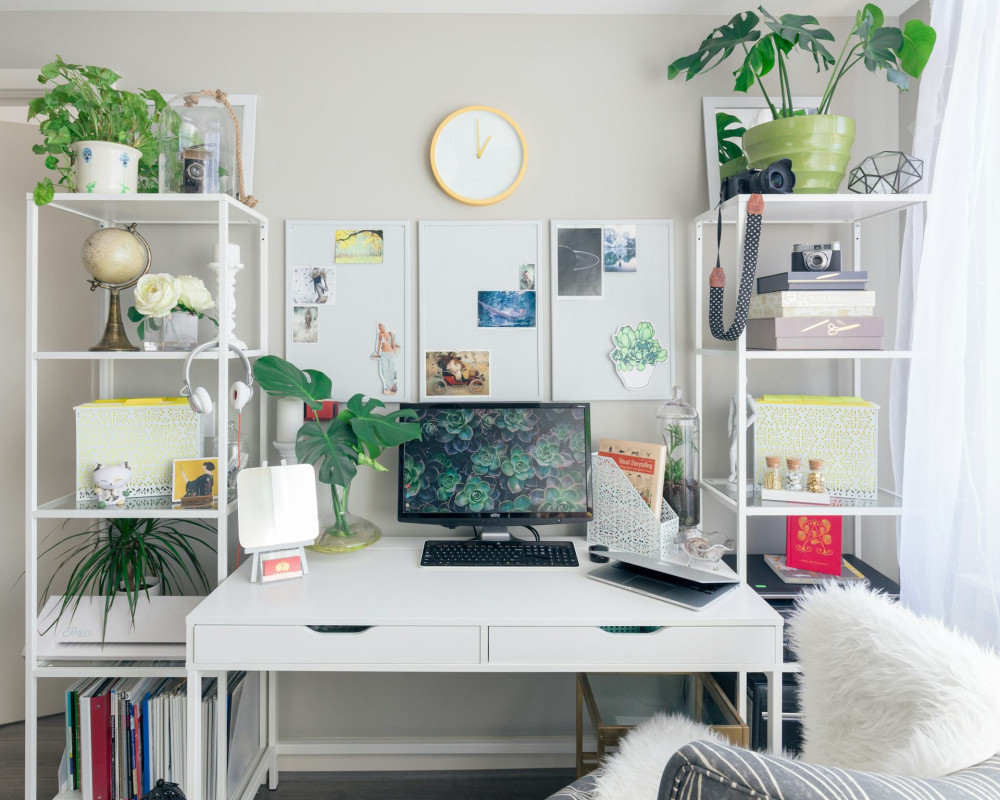
Style doesn’t have to mean expensive designer pieces. Often, it’s the small details that make the biggest difference. Plants, textiles, and lighting can transform the mood of a room—and they don’t have to cost much.
- Plants bring freshness and life to your space, and many can be propagated from cuttings or bought inexpensively.
- Textiles like curtains, rugs, and cushions add warmth and cohesion to your décor.
- Lighting in layers—overhead lights, floor lamps, and candles—creates a cozy and flexible atmosphere.
By playing with color, texture, and light, you can create a home that feels both inviting and uniquely yours.
Think Long-Term and Avoid Impulse Buys
It’s easy to get caught up in trends or quick fixes, but they rarely stand the test of time. A good rule of thumb is to wait a few days before making a big purchase. If you still want it after some reflection, it’s probably a worthwhile investment.
Also, consider how your choices fit into a long-term vision. Classic furniture in neutral tones can adapt to new styles with small updates, while overly trendy items may feel outdated quickly.
Comfort and Style Can Coexist
A budget-friendly home can absolutely be both beautiful and comfortable. It’s all about using your resources wisely, thinking creatively, and making intentional choices. When you strike the right balance between function, form, and finances, you’ll create a home that not only looks great—but feels just right to live in.
Læs også: