Model Homes and Energy Requirements: How Prefab Home Companies Meet Green Standards

Model Homes and Energy Requirements: How Prefab Home Companies Meet Green Standards
When Americans build new homes today, aesthetics and comfort are no longer the only priorities. Energy efficiency and sustainability have become just as important. Stricter building codes, rising energy costs, and growing environmental awareness are reshaping how prefab home companies design and construct their houses. But how do these companies ensure their model homes meet modern green standards—and what does that mean for future homeowners?
Stricter Energy Codes and Performance Goals
Across the United States, energy codes such as the International Energy Conservation Code (IECC) set minimum efficiency requirements for new residential buildings. Many states have adopted or even strengthened these standards, requiring builders to focus on the home’s total energy performance—from insulation and windows to HVAC systems and lighting.
Prefab home manufacturers are well-positioned to meet these demands. Because their homes are built in controlled factory environments, they can achieve tighter construction tolerances and better insulation performance than many site-built homes. Many companies now design their models to exceed code requirements, aiming for ENERGY STAR® certification or compliance with Zero Energy Ready Home standards promoted by the U.S. Department of Energy.
Sustainable Materials and Smart Design
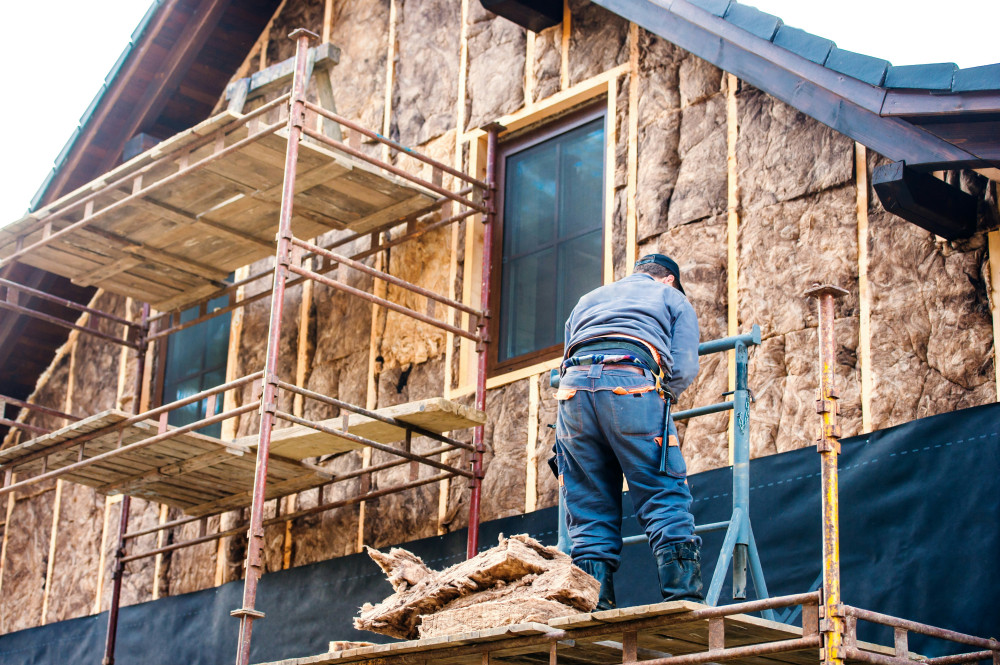
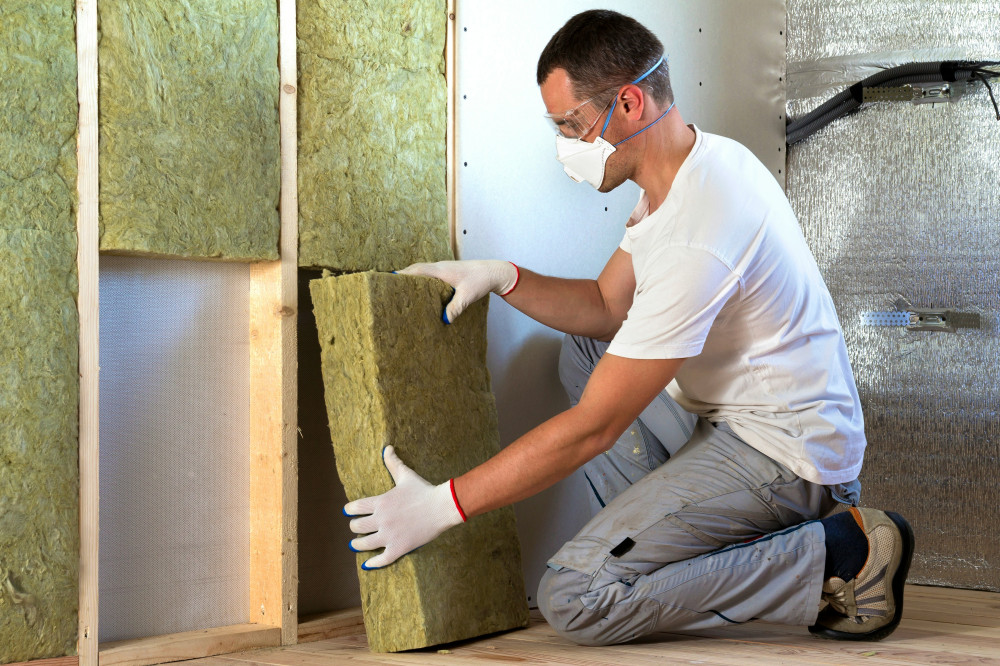
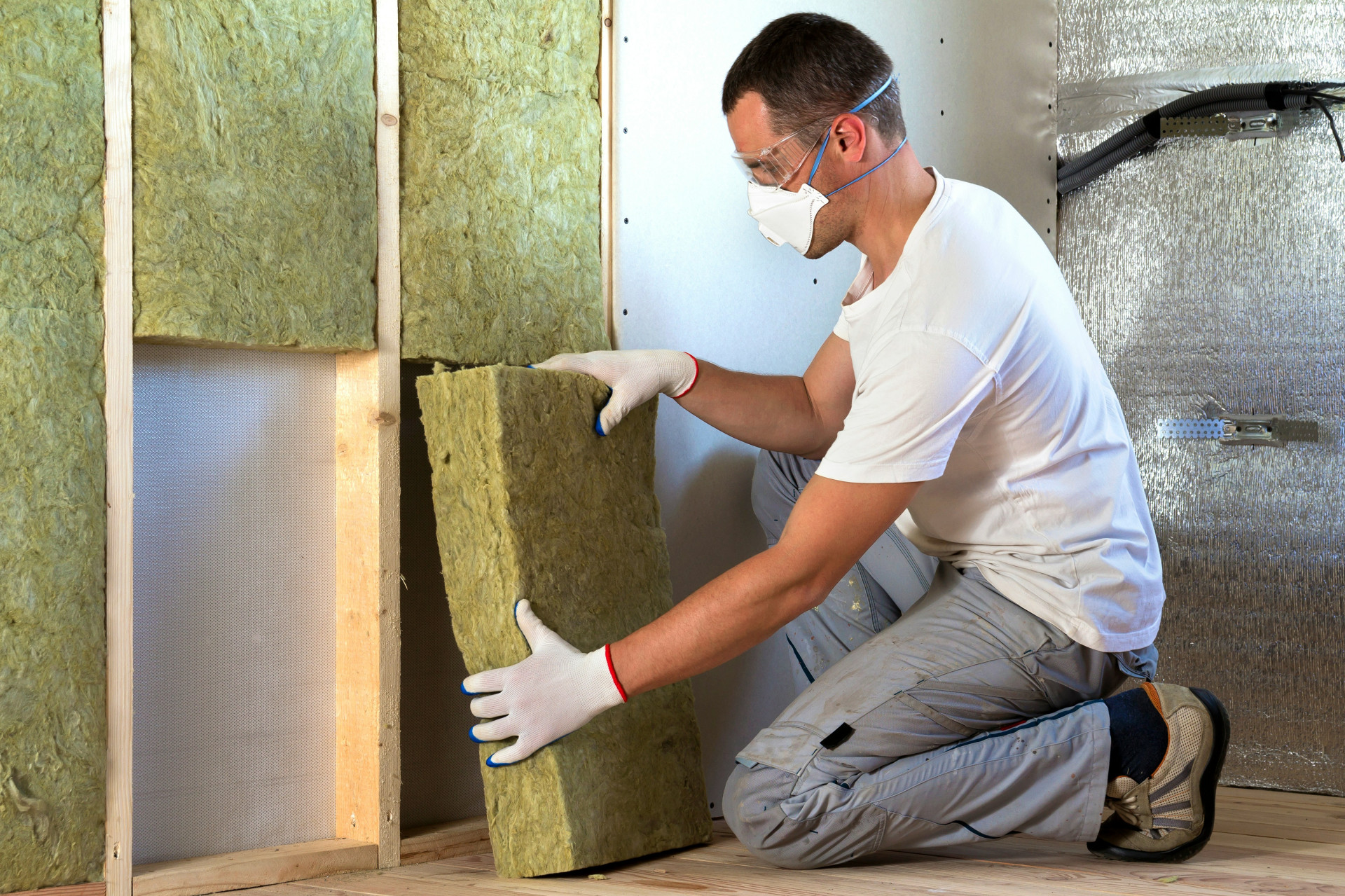
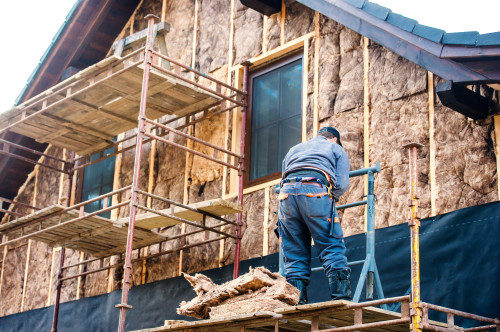
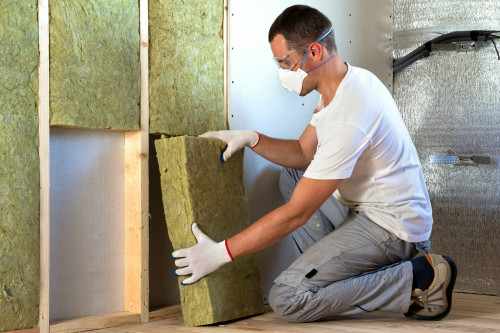
Energy efficiency starts with the right materials. Prefab builders increasingly use sustainably sourced wood, recycled steel, and low-VOC finishes to reduce environmental impact and improve indoor air quality. Structural insulated panels (SIPs) and advanced framing techniques help minimize thermal bridging and air leakage, leading to lower heating and cooling demands.
Some companies go further by offering life-cycle assessments and Environmental Product Declarations (EPDs) for their materials, giving buyers transparency about the carbon footprint of their new home. Modular construction also generates less waste, as materials are cut precisely and leftovers can be reused in the factory.
Solar Power and Smart Energy Systems
What used to be an optional upgrade—solar panels—is now becoming a standard feature in many prefab designs. Builders often integrate rooftop solar arrays or solar-ready wiring so homeowners can easily add panels later. Combined with battery storage systems, these homes can produce and store their own clean energy, reducing reliance on the grid.
Heat pumps are another key technology. Air-source and ground-source heat pumps provide efficient heating and cooling, often replacing traditional furnaces and air conditioners. Many prefab homes also include smart thermostats and home automation systems that monitor and optimize energy use, adjusting lighting, temperature, and ventilation automatically.
Airtight Construction and Healthy Indoor Air
A low-energy home must be airtight to prevent heat loss. Prefab companies routinely perform blower door tests to measure air leakage and ensure the building envelope meets or exceeds performance targets. However, airtightness also requires effective ventilation.
Modern prefab homes typically include balanced ventilation systems with heat recovery ventilators (HRVs) or energy recovery ventilators (ERVs). These systems bring in fresh air while capturing heat from outgoing air, maintaining comfort and air quality without wasting energy. Non-toxic materials and moisture control strategies further contribute to a healthy indoor environment.
Certifications and Third-Party Verification
To demonstrate their commitment to sustainability, many prefab builders pursue recognized certifications such as LEED for Homes, ENERGY STAR, or the National Green Building Standard (NGBS). These programs evaluate everything from energy use and water efficiency to materials and indoor air quality.
For homeowners, certification provides assurance that their new home meets rigorous environmental and performance criteria. For builders, it’s a way to stand out in a competitive market and show leadership in the transition toward greener housing.
Læs også:
The Future of Prefab: Smarter, Cleaner, and More Circular
The prefab industry is evolving rapidly. In the coming years, expect to see more emphasis on net-zero energy and carbon-neutral construction, as well as circular design principles that allow materials to be reused or recycled at the end of a building’s life. Digital tools like Building Information Modeling (BIM) and energy modeling software are helping companies optimize designs before construction even begins.
Emerging technologies—such as integrated sensors that track energy use and air quality, or adaptive shading systems that respond to sunlight—will make prefab homes even more efficient and comfortable.
A Sustainable Choice Without Compromise
Choosing a prefab home today isn’t just about convenience or cost savings. It’s about investing in a sustainable lifestyle and a home built for the future. Prefab companies across the U.S. are proving that energy efficiency, modern design, and environmental responsibility can go hand in hand. For homeowners, that means it’s easier than ever to live comfortably—and sustainably—under one roof.
Læs også: